


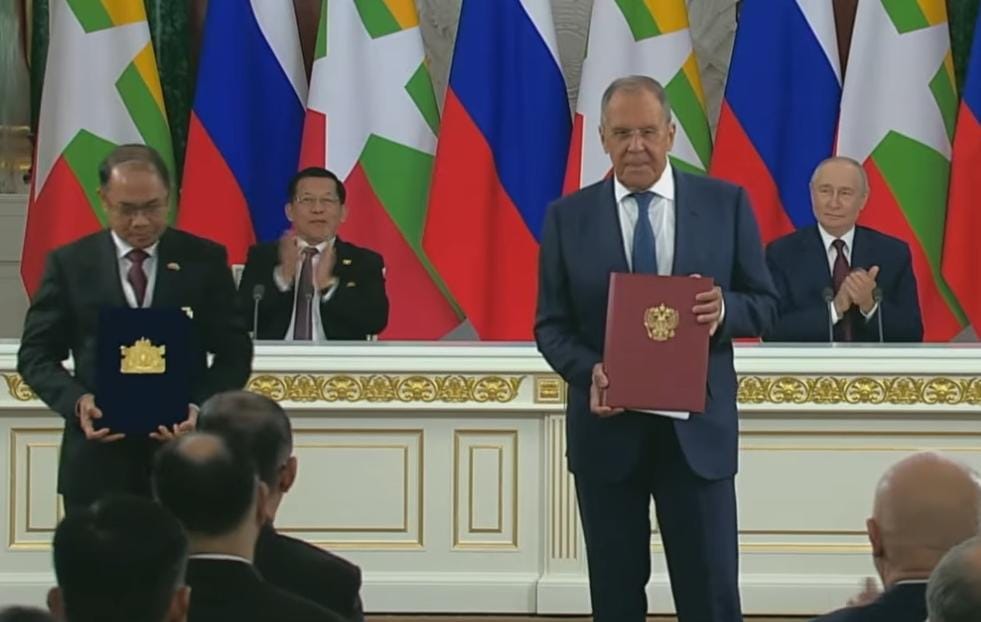
The nuclear cooperation between Russia and Myanmar represents a significant shift in Southeast Asia’s geopolitical and energy landscape. Driven by Rosatom (Russia’s state atomic energy corporation) and Myanmar’s military government (State Administration Council), the deal sets the foundation for Myanmar’s first nuclear energy generation infrastructure.
Core Agreements & Project Scope
The primary deal centers on constructing a Russian-designed nuclear power facility, specifically utilizing Small Modular Reactor (SMR) technology:
- Initial Capacity: Construction of a 110 MW small modular reactor (SMR) nuclear power plant.
- Expansion Potential: Provisions allow scaling total generation up to 330 MW.
- Technology & Reactor Type: Based on Rosatom’s land-based RITM-series pressurized water reactor technology, derived from Russia’s nuclear icebreaker designs.
- Nuclear Information & Research: Agreements cover establishing a Nuclear Technology Information Center in Yangon, human resource training, and joint research in radiation safety, agriculture, and nuclear medicine.
Timeline & Evolution of Bilateral Talks
| Year | Event / Milestone |
|---|---|
| 2007 | Initial framework signed to construct a 10 MW research reactor, though progress stalled due to financial and political instability. |
| 2022 | Post-coup alignment deepens; Rosatom and Myanmar sign MoUs on nuclear training and public communication. |
| 2023 | Intergovernmental Agreement (IGA) signed in Yangon for cooperation in the peaceful use of atomic energy. |
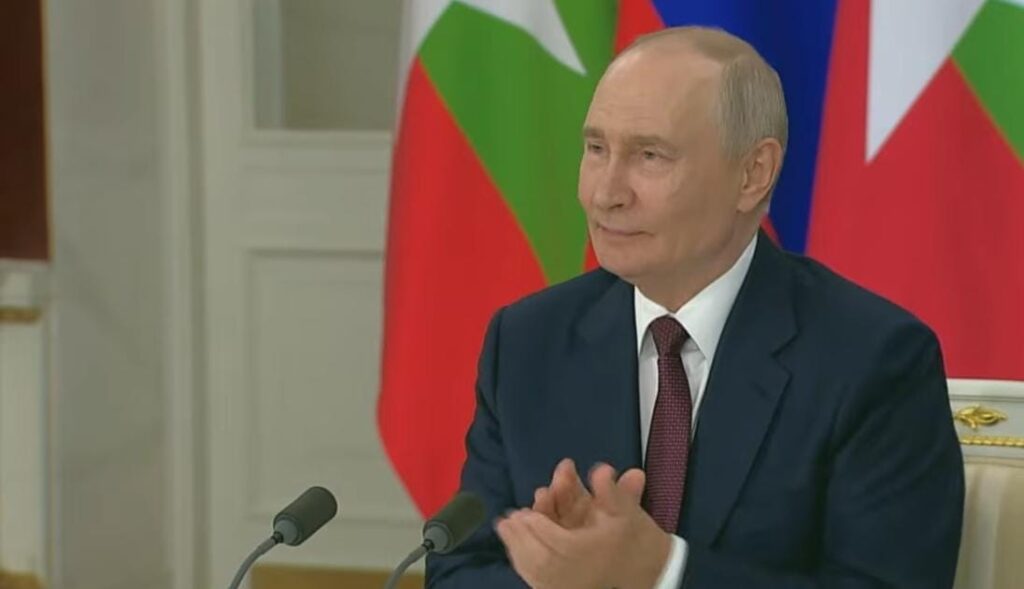
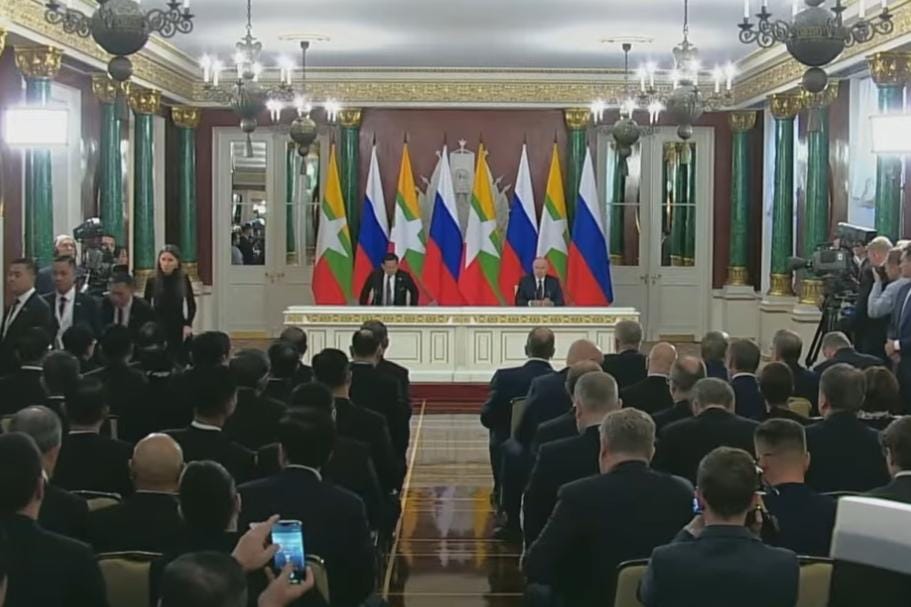
| 2025 | Landmark intergovernmental agreement signed in Moscow between Rosatom Director General Alexei Likhachev and Myanmar officials for a 110 MW SMR project. |
Strategic Motivations
Myanmar’s Perspective
- Severe Power Deficits: Myanmar faces chronic electricity shortages, power grid instability, and a reliance on hydropower that suffers during dry seasons.
- Regime Legitimacy & Modernization: The military administration aims to project economic progress and secure long-term energy independence amidst Western sanctions.
Russia’s Perspective
- Exporting SMR Technology: Rosatom seeks to establish its dominance in the global Small Modular Reactor export market across Asia and Africa.
- Geopolitical Footprint: Solidifies Moscow’s diplomatic and economic presence in Southeast Asia and ASEAN amid isolation from Western markets.
Key Challenges & Proliferation Concerns
- Security & Instability: Ongoing domestic conflict in Myanmar raises operational risks regarding the physical security of nuclear sites and supply routes.
- Regulatory Framework: Myanmar historically lacked the specialized workforce and comprehensive regulatory infrastructure required for safe nuclear plant management.
- International Scrutiny: Western nations and regional neighbors have raised concerns regarding radiation safety standards, potential fuel cycle diversions, and dual-use technological risks. Both countries state the facilities will operate under International Atomic Energy Agency (IAEA) safeguards.