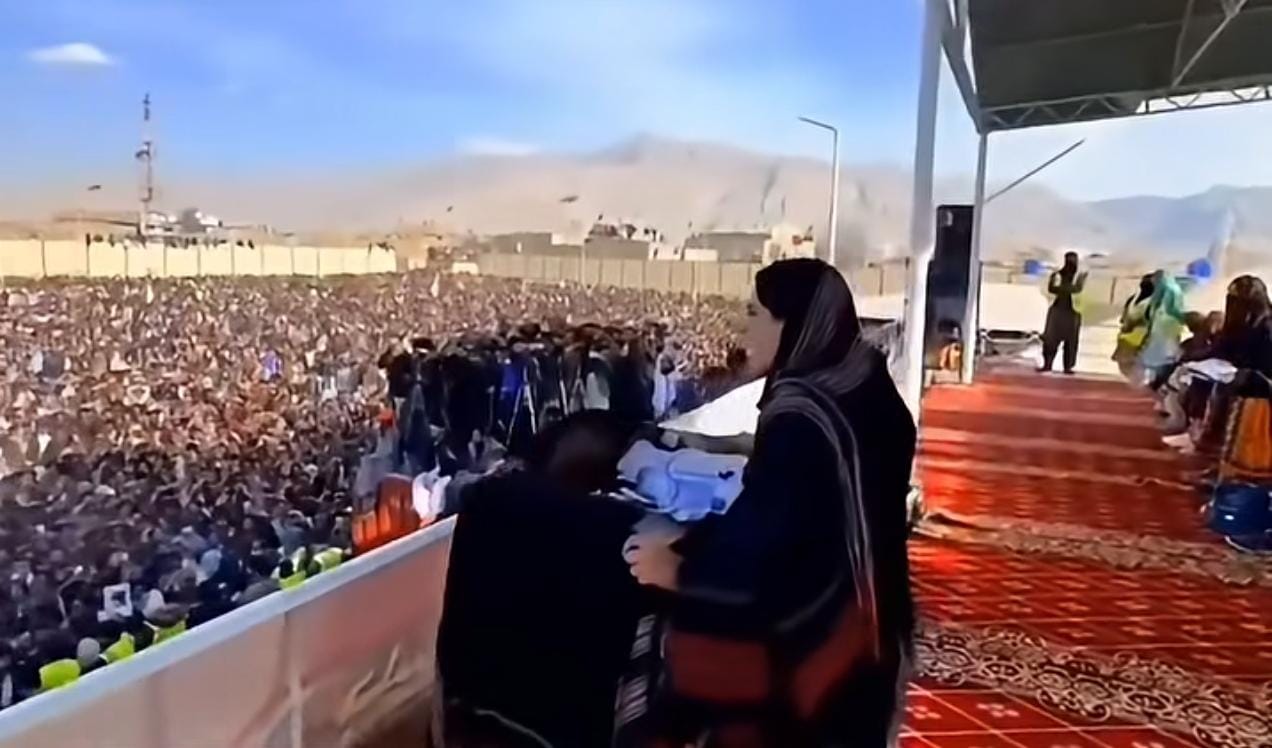
QUETTA / KABUL — Thousands of people across major towns and cities in Balochistan gathered on August 11, 2026, to mark Balochistan Independence Day. The annual commemorations took place despite heavy security measures, internet blackouts, and administrative bans enforced by Pakistani authorities.
Key Highlights of the Day
- Defying Section 144: Protesters and local political groups gathered in various districts—including Quetta, Kalat, Khuzdar, and coastal areas—defying restriction orders (Section 144) prohibiting public assemblies.
- Communications Shutdown: Local reports indicated that mobile internet and cellular service disruptions were implemented across key towns to restrict rally organization and social media broadcasts.
- Calls for International Recognition: High-profile Baloch leaders and human rights advocates, including Mir Yar Baloch, issued public statements appealing to international bodies like the United Nations, ASEAN, and the European Union to formally recognize Balochistan’s sovereignty.
- Protests Against Enforced Disappearances: In addition to independence celebrations, demonstrators highlighted the issue of ongoing state repression, political detentions, and missing persons.
Historical Context
Baloch nationalist groups and activists observe August 11 every year as their self-proclaimed Independence Day.
Why August 11?
On August 11, 1947, prior to the Partition of British India, the princely state of Kalat (which encompassed much of modern Balochistan) announced its independence from British rule. However, the region was later acceded to and incorporated into Pakistan in March 1948, a historical event that remains the central point of contention for Baloch nationalists.
Tensions and Security Deployment
While political activists and local residents held localized flag-hoisting ceremonies, rallies, and speeches, paramilitary forces and police maintained heightened surveillance around government infrastructure, major highways, and urban hubs to prevent larger marches from converging.
Despite the heavy presence of state forces and periodic disruptions, community-led gatherings proceeded throughout the day across multiple districts.